What are drug–drug interactions?
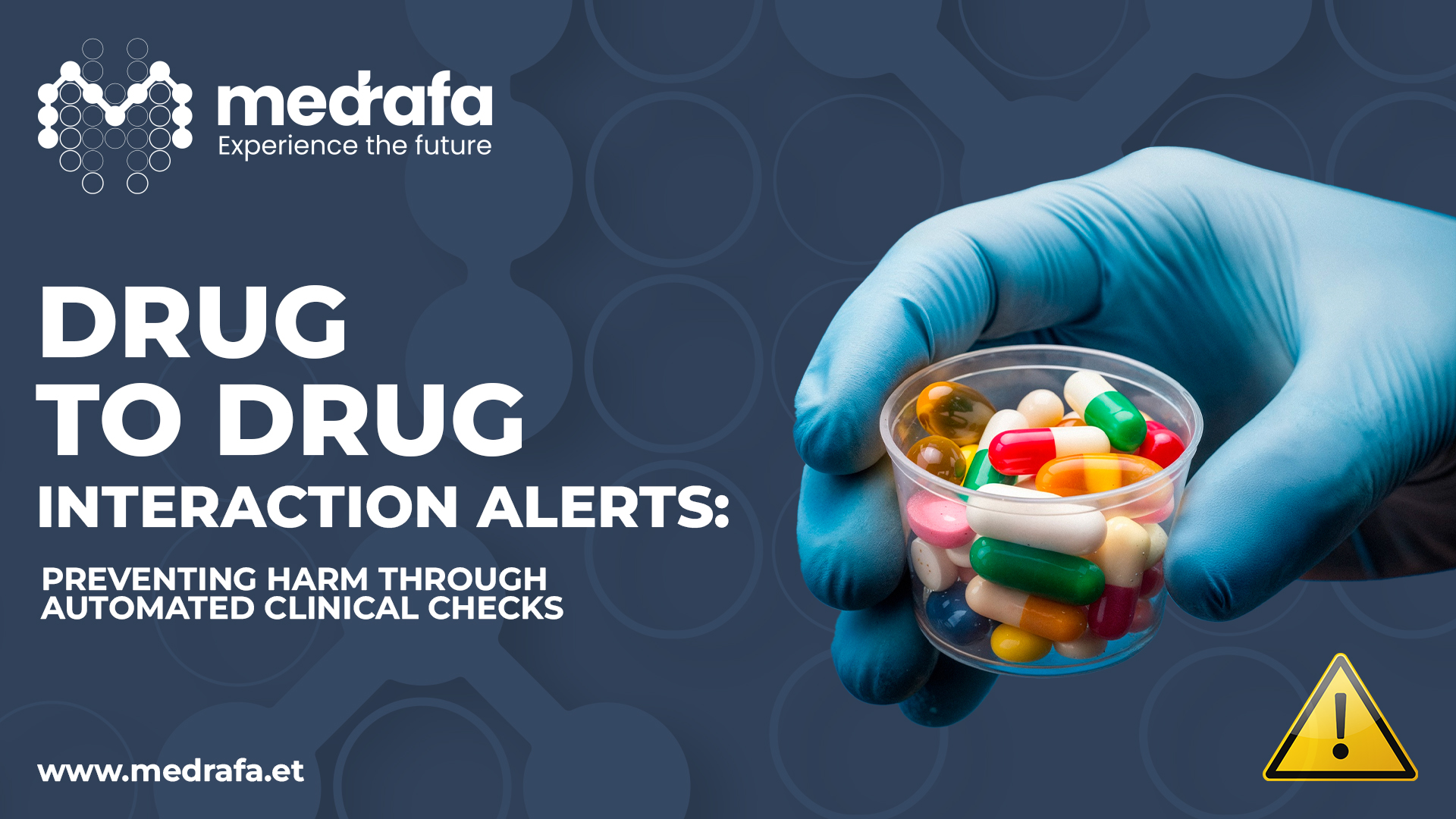
Drug–drug interactions (DDIs) occur when two or more medicines react in ways that change their effectiveness or create harmful effects. These reactions can reduce a drug’s intended benefit, increase toxicity, or trigger new side effects. DDIs may be pharmacodynamic (drugs affecting each other’s action) or pharmacokinetic (altering absorption, metabolism, or excretion).
According to the World Health Organization (WHO), DDIs contribute to 20–30% of all adverse drug events reported in hospitals. Studies estimate that up to 11% of hospital admissions are related to clinically significant interactions, particularly among patients taking multiple medications (Polypharmacy Research Group, 2023). Older adults, who often use five or more medicines daily, are at twice the risk of DDI-related complications compared to younger adults.
Impact on patient safety, healthcare costs, and trust
Undetected DDIs can lead to:
- Serious outcomes such as bleeding, heart rhythm disturbances, or organ damage.
- Increased length of hospital stay and higher treatment costs.
- Erosion of trust when patients experience harm that could have been prevented.
Across sub-Saharan Africa, the challenge is amplified by limited electronic health records and reliance on handwritten prescriptions. A systematic review found that between 20% and 40% of prescriptions in African hospitals contain at least one potential DDI (Okello, 2022). Many facilities lack trained clinical pharmacists to manually check every prescription.
Ethiopian healthcare providers face similar obstacles:
- Paper-based systems make it difficult to track a patient’s full medication history.
- Fragmented care patients visiting multiple clinics or pharmacies means no single provider sees the complete list of active medicines.
- Limited access to up-to-date drug-interaction references.
A 2024 Addis Ababa University study reported that over one-third of hospitalized patients were exposed to at least one clinically significant DDI, highlighting the urgent need for real-time monitoring.
The role of automated clinical checks
Evidence of impact
- Computerized Provider Order Entry (CPOE) with integrated decision support can reduce clinically significant DDIs by up to 60%
- Systems that provide real-time alerts flagging contraindicated combinations, dosage conflicts, or timing issues help prescribers adjust therapy before harm occurs
- Pharmacists benefit from automated verification, enabling more efficient counseling and dispensing
Futurity & innovation
Emerging solutions pair artificial intelligence with patient-specific data (age, kidney function, genetic markers) to deliver personalized interaction risk scores. Mobile apps and interoperable health records allow clinicians to receive DDI alerts across care settings, from hospitals to community pharmacies.
Conclusion
Drug–drug interactions remain a preventable cause of patient harm worldwide. By embedding automated clinical checks into prescribing workflows, health systems can dramatically reduce avoidable adverse events, cut costs, and enhance patient trust.
Medrafa’s commitment
Medrafa’s e-prescription platform integrates real-time DDI alerts powered by global standards such as SNOMED CT and enriched with local Ethiopian drug terminology. Our system:
- Flags high-risk interactions before prescriptions are finalized.
- Provides dosage guidance and evidence-based recommendations.
- Supports pharmacists and clinicians in making safer, faster decisions.
Through these innovations, Medrafa is helping Ethiopian healthcare providers move from reactive management of adverse drug events to proactive prevention, safeguarding patients and strengthening the nation’s digital health infrastructure.
References
- World Health Organization. (2023). Medication safety: patient safety fact sheet.
- Polypharmacy Research Group. (2023). Global burden of clinically significant drug–drug interactions. Clinical Pharmacology & Therapeutics.
- Okello, M. (2022). Prevalence of potential drug–drug interactions in African hospitals: a systematic review. BMC Pharmacology & Toxicology.
- Addis Ababa University. (2024). Incidence and predictors of clinically significant drug–drug interactions in tertiary hospitals of Ethiopia.
- International Journal of Medical Informatics. (2023). Effect of computerized order entry on adverse drug events